
-
National high-tech enterprise
-
National science and technology enterprise
-
Professional, sophisticated, special and new enterprises in Shanghai
-
Shanghai innovative enterprise
-
China Packaging Machine Technology Innovation Demonstration Base
- Home Home
-
Products
Products
- Granule packaging machine
- Powder packaging machine
- Sauce/Liquid packaging machine
- Pillow packaging machine
- Tea packaging machine series
- Coffee packaging machine
- Filling machine series
- Hardware accessories packaging machine/standard parts packaging machine/screw packaging machine/fastener packaging machine
- Pre-made Bag packaging machine
- Transparent film three-dimensional packaging machine and shrink packaging machine
- Vacuum packaging machine
- Smart factory packaging production line
- Bottle filling production line
- Box packaging line
- Solution Solution
- About Us About Us
- News News
- Contact Us Contact Us
Home / News / Industry News / Linkage between schools and enterprises to create the future with intelligence|The scientific research team from East China Normal University visited Qindian Machinery for visits and exchanges to explore new paths for in-depth integration of industry, academia and research
Linkage between schools and enterprises to create the future with intelligence|The scientific research team from East China Normal University visited Qindian Machinery for visits and exchanges to explore new paths for in-depth integration of industry, academia and research








Visits and exchanges between university scientific research teams
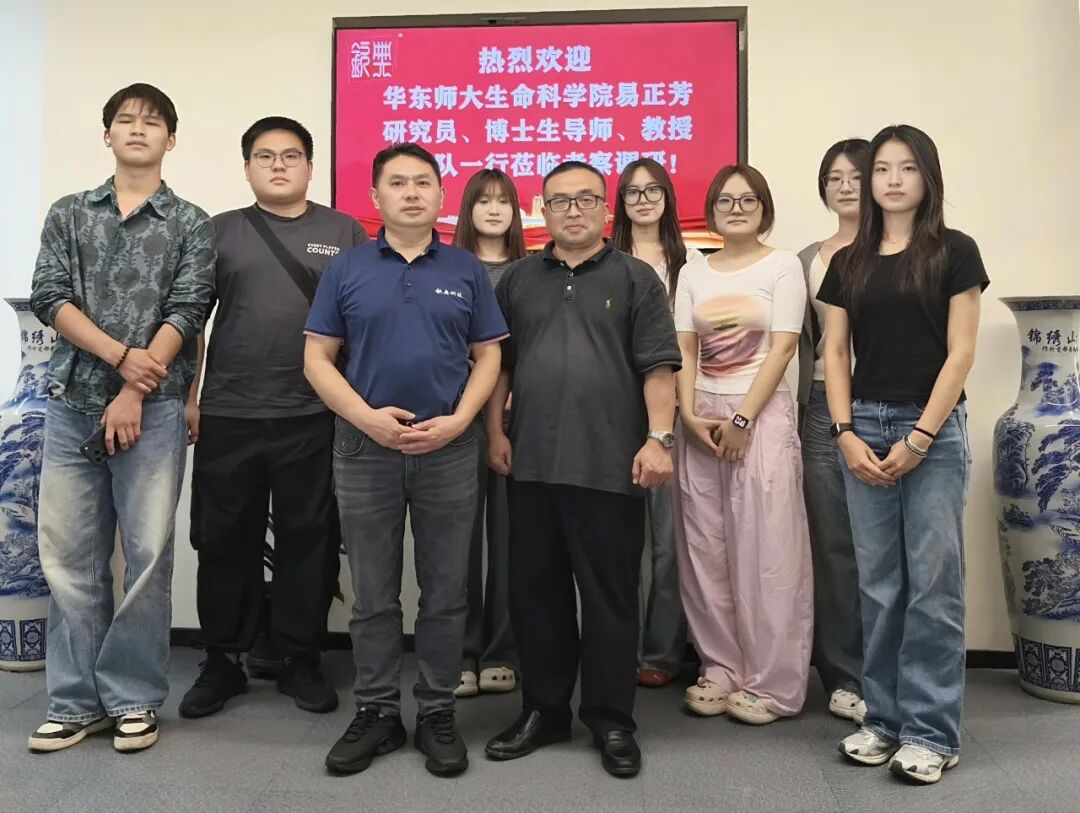
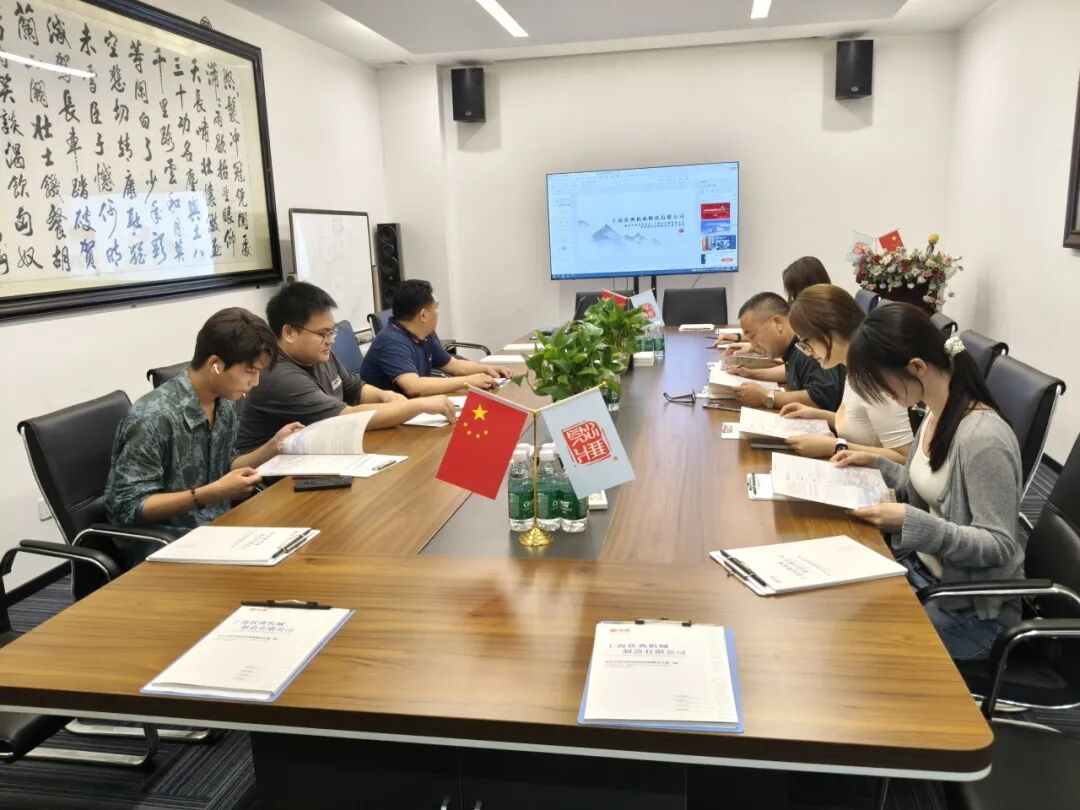
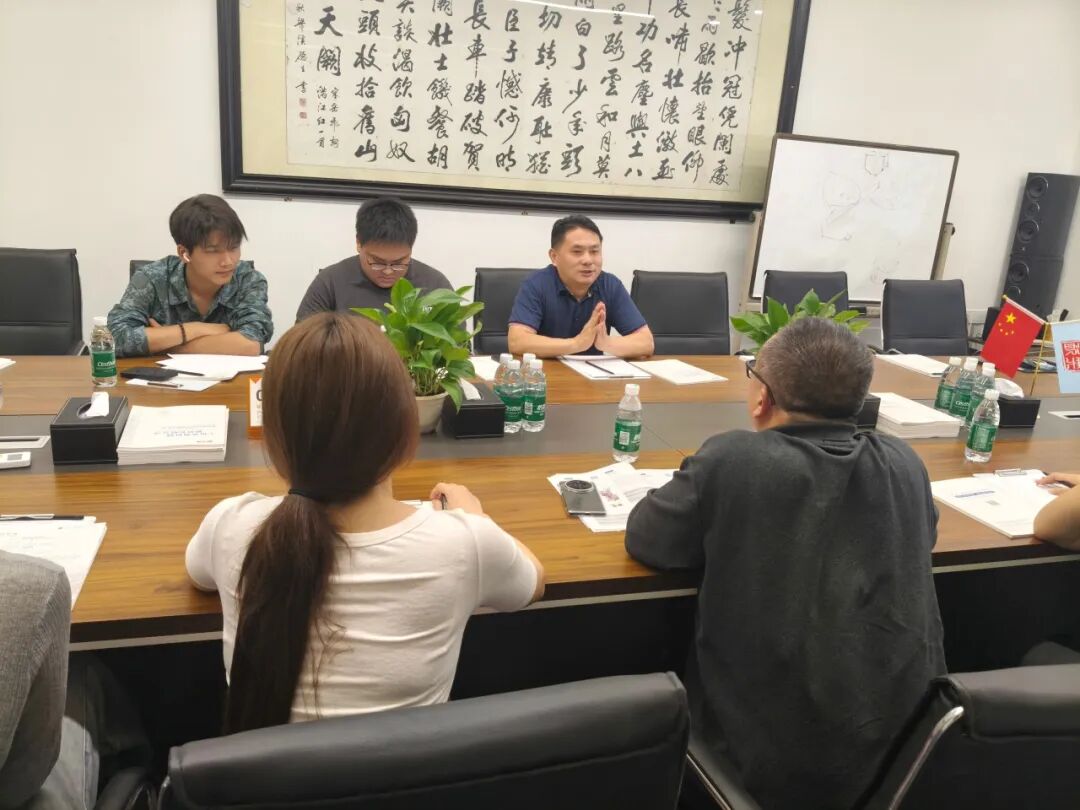
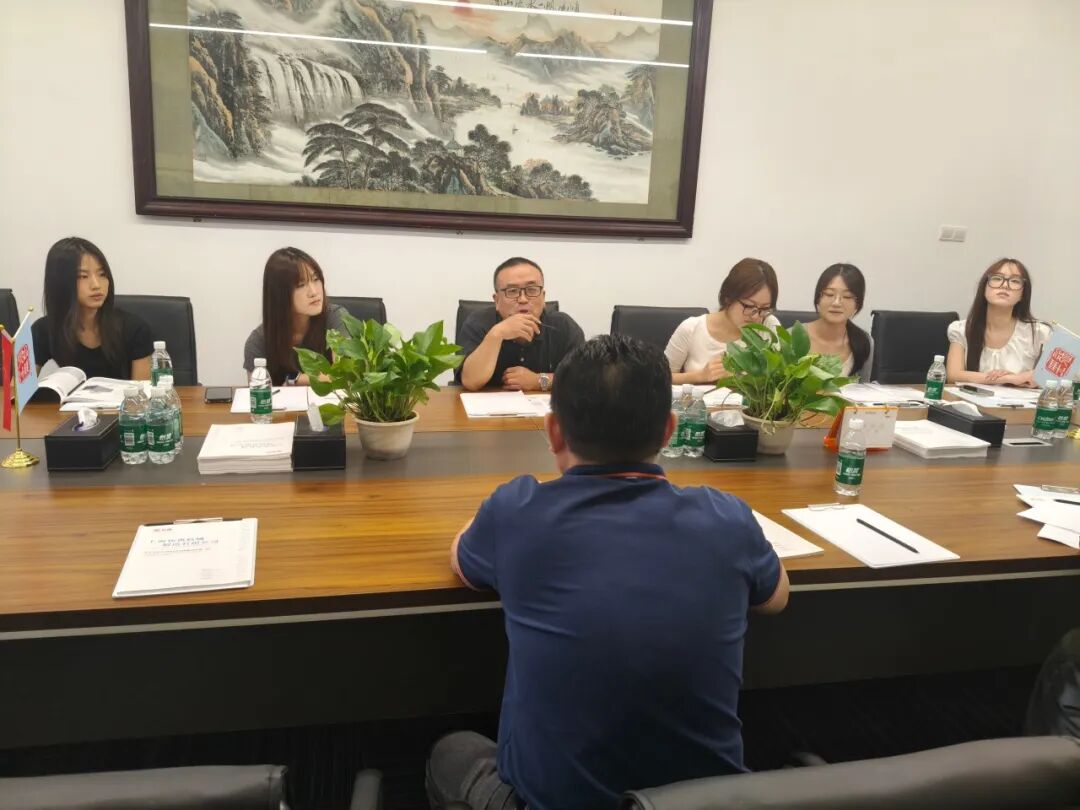
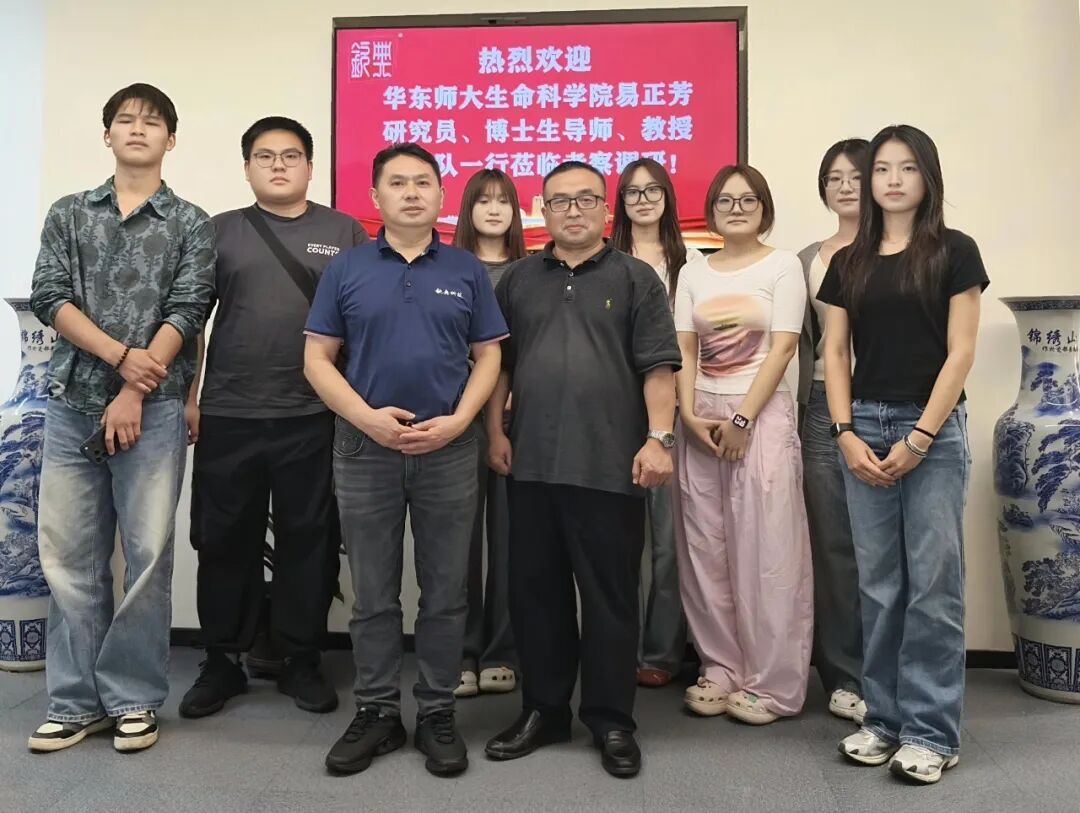
Deepen school-enterprise collaborative innovation and empower high-quality industrial development. On July 3, researcher Yi Zhengfang from the School of Life Sciences of East China Normal University led a master's and doctoral research team to visit Shanghai Qindian Machinery Manufacturing Co., Ltd. for in-depth inspection and exchange. Accompanied by the company's chairman Yang Zhiguo, the team visited the company's brand exhibition hall and conducted in-depth discussions and exchanges. The two parties conducted in-depth discussions around the development history of private enterprises, trends in the intelligent manufacturing industry, cross-border integration of biomedicine and intelligent equipment, cooperation between industry, academia and research, and youth career growth, to achieve two-way empowerment and ideological resonance between cutting-edge scientific research and real industries.
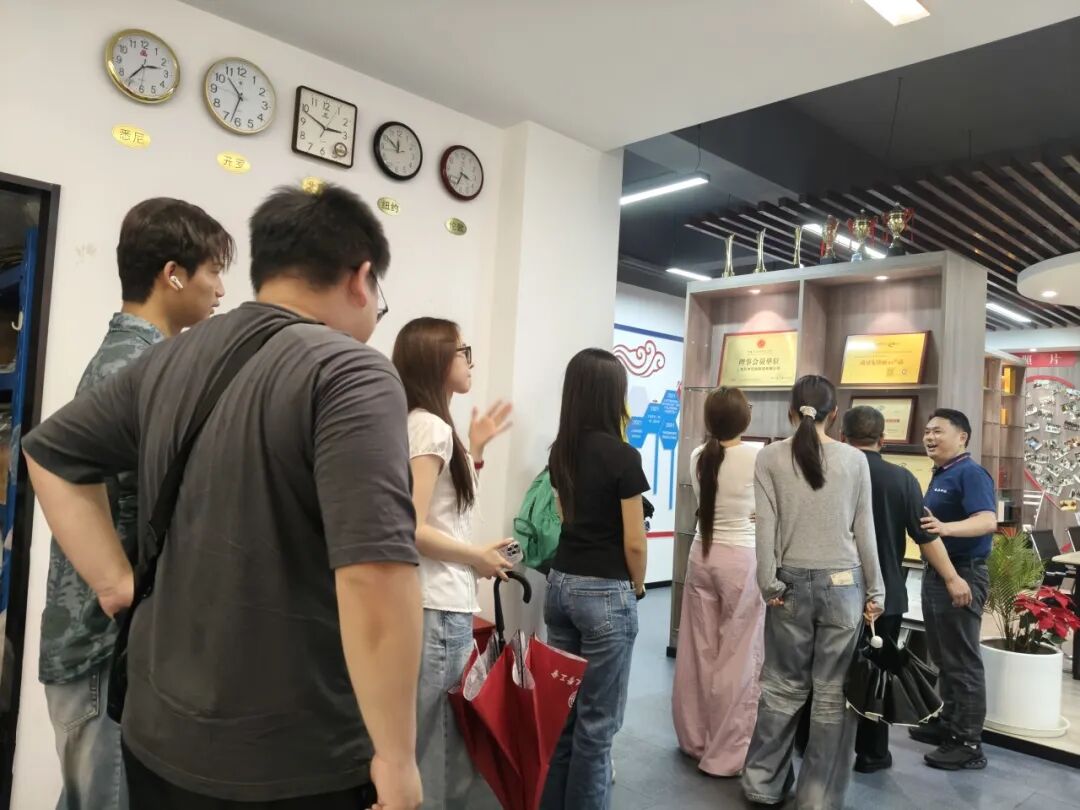
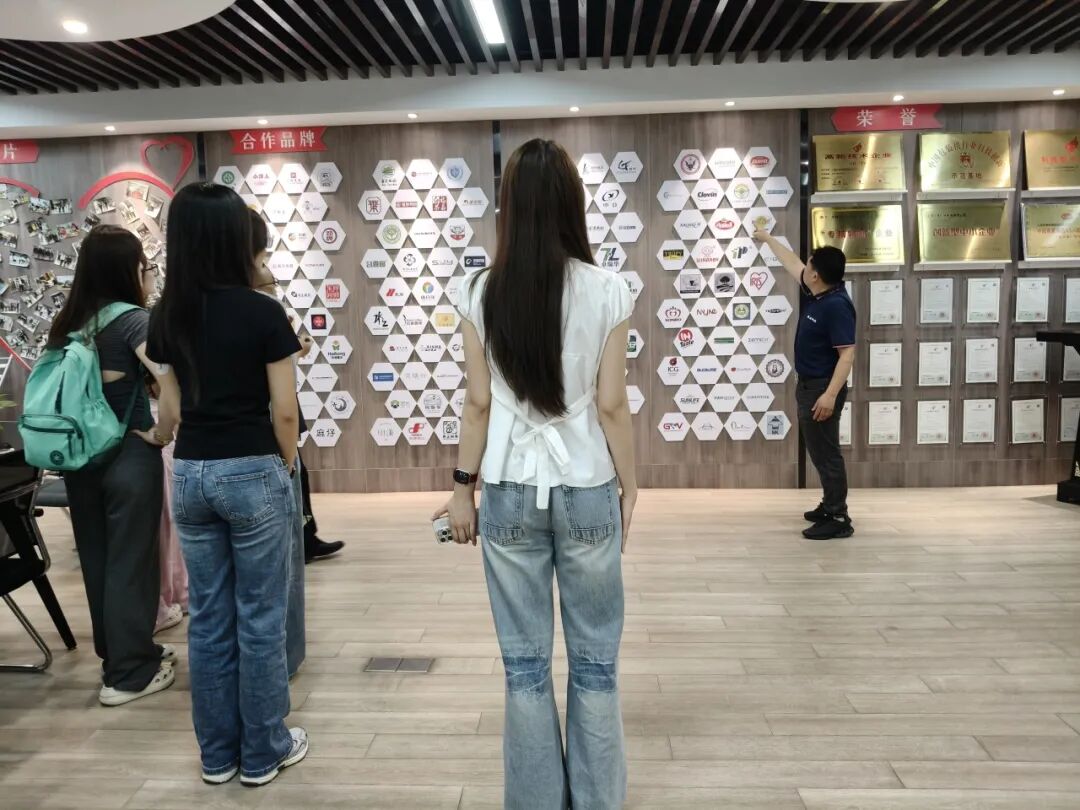
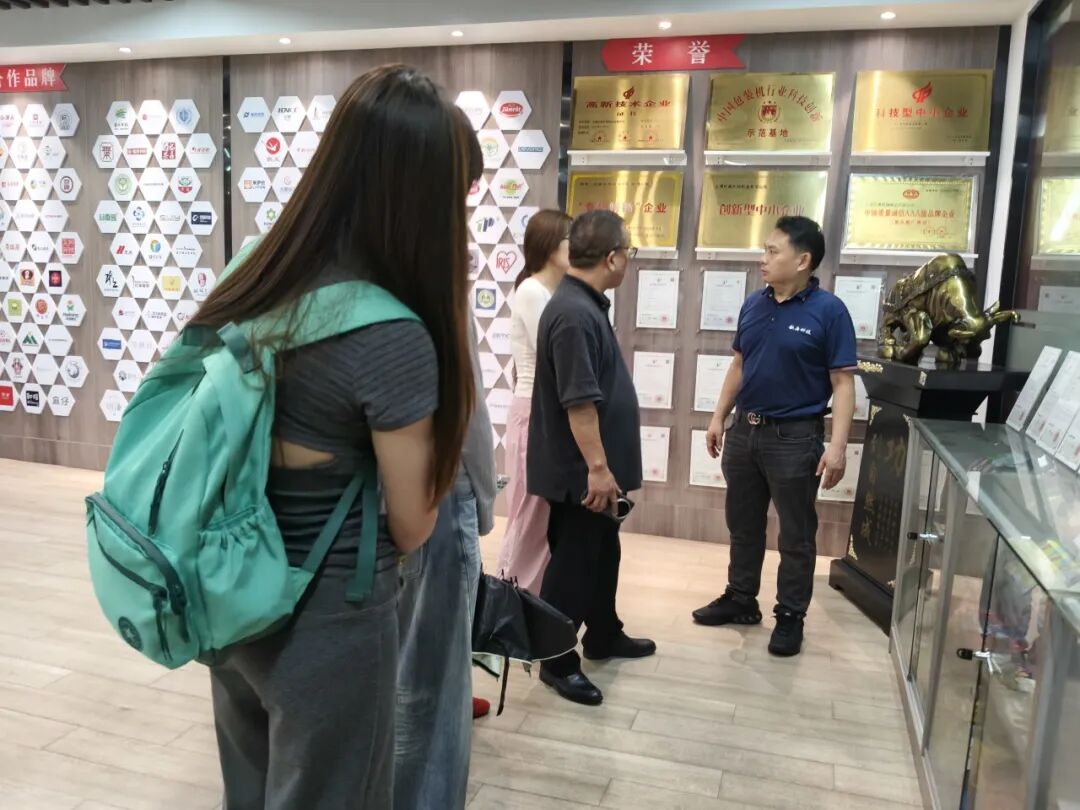

-
To understand tea, you must also know how to hide tea: A guide to packaging aesthetics and brewing of China’s six major tea categories
-
National-level foreign affairs visit! Sara Cláudia P Lourenço Pereira Bravo, Director of the Agriculture Department of the Ministry of Agriculture and Forestry of Angola, led a high-level delegation to visit Qindian Machinery for investigation and research
-
Government-enterprise exchanges promote development | Members of the Standing Committee and Deputy County Magistrate of Cili County, Zhangjiajie City visited Shanghai Qindian Machinery for inspection and research
-
Twenty years of hard work|Prologue: Twenty years of hard work, using Chinese equipment to go to the mountains and seas with the original intention